
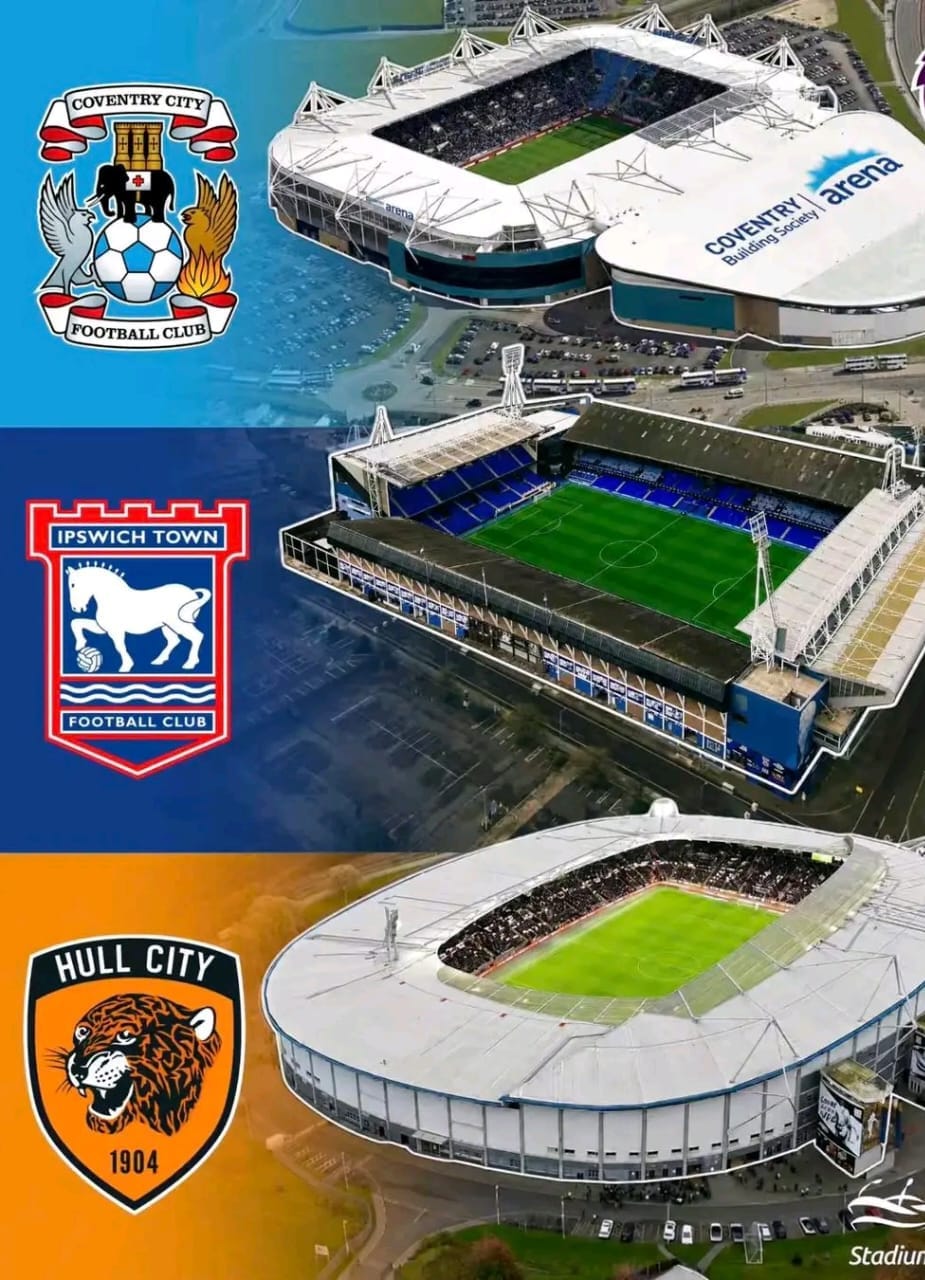
New Stadium Plans in English Football: Coventry City, Ipswich Town and Hull City Updates
English football continues to move through a major period of stadium redevelopment, with several clubs planning upgrades, expansions, and potential new builds. Among the most discussed projects are those involving Coventry City, Ipswich Town, and Hull City, each at different stages of planning and execution.
These developments highlight a broader trend in the game: improving fan experience, increasing revenue potential, and ensuring stadium infrastructure meets modern Premier League standards.
Coventry City – Proposed New Stadium Development
Coventry City have been linked with long-term plans for a new stadium project aimed at securing the club’s future and improving infrastructure beyond their current ground situation.
The proposed project has previously been associated with a modern multi-purpose stadium concept designed in partnership with local stakeholders, including academic and commercial institutions.
Key elements of the vision include:
- A proposed capacity in the region of 20,000–23,000 supporters
- A modern, sustainable stadium design focused on eco-friendly development
- Improved transport connectivity, including rail and road access considerations
- Integration with surrounding community and university infrastructure
Despite long-term ambition, the project remains at a discussion and planning stage, with ongoing uncertainty surrounding timelines, funding structures, and final approvals.
Coventry’s stadium situation remains a key strategic issue for the club as they look to establish long-term stability.
Ipswich Town – Portman Road Expansion and Modernisation
Ipswich Town are taking a more incremental approach, focusing on redevelopment and expansion of their historic home at Portman Road rather than relocating.
The club is actively working on improving stadium capacity and upgrading facilities to meet modern standards, particularly following their recent rise in competitive level.
Planned and ongoing improvements include:
- Gradual expansion of capacity towards approximately 40,000 in the long term
- Redevelopment of existing stands to improve structure and comfort
- Enhanced accessibility features for disabled supporters
- Upgraded hospitality, concourses, and fan facilities
- Wider regeneration efforts around the stadium area
The goal is to preserve the identity of Portman Road while transforming it into a modern, top-flight-ready venue capable of supporting long-term Premier League ambitions.
Hull City – MKM Stadium Upgrade Strategy
Hull City are focusing on upgrading their current home, the MKM Stadium, which is shared with rugby league side Hull FC.
Rather than building a new stadium, the club’s approach is centered on improvement and redevelopment of existing infrastructure.
Key areas under consideration include:
- Internal stadium upgrades and facility improvements
- Enhanced matchday experience for supporters
- Potential redevelopment proposals in coordination with local authorities
- Improved integration with community and academy structures
The MKM Stadium remains a relatively modern venue, but continued investment is seen as essential to maintaining competitiveness and improving fan engagement.
Wider Trend Across English Football
The projects at Coventry City, Ipswich Town, and Hull City reflect a wider shift across English football, where clubs are increasingly prioritizing stadium development as part of long-term growth strategies.
Key trends include:
- Expansion of stadium capacity to increase matchday revenue
- Modernisation of aging infrastructure
- Focus on fan experience and accessibility
- Integration of commercial and community facilities
- Long-term sustainability planning
Stadium development is now viewed as just as important as on-pitch performance in building successful football clubs.
Final Thoughts
Coventry City, Ipswich Town, and Hull City are all moving in different directions, but with a shared objective: building stadiums and facilities that match modern football demands.
Whether through new builds or phased redevelopment, each club is investing in its future. Over the next few years, these projects could significantly reshape the matchday experience for thousands of supporters across England